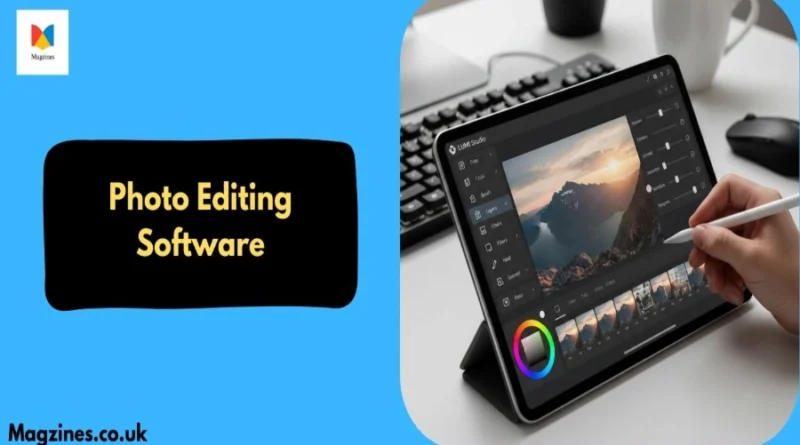
Best Photo Editing Software: Create Amazing Images in 2026
Last month, my photographer friend lost a $4,500 wedding job. Why? Her edited photos looked fake. She spent three years learning the wrong software. That talk changed how I see this whole field.
Here is what no one tells you about photo editing software. The tool you pick shapes your images and your style. I have tested over fifteen programs in eight years. Some saved me hundreds of hours. Others nearly ruined my work with clients.
The photo editing software market hit $1.2 billion in 2025. Yet most people pick tools based on what’s popular. They don’t think about what fits their work. That costs real money.
What if the pricey option rarely works best for most users? What if free tools work better for some jobs?
Why Photo Editing Software Matters for Creators Today
**Photo editing software turns plain photos into great visual stories. It does this with color fixes, brightness tweaks, and creative tools.**
Smartphones made many people think phone filters are enough. That’s wrong. That belief holds creators back.
I shot my first paid headshot job in 2018. The client paid $800 for twenty portraits. I used only phone apps. The look on her face taught me what pros really need.
Real photo editing software does three things phone apps can’t. First, you get better colors. This means smoother blends and real-looking skin tones. Second, pro tools let you edit without ruining your original files. Third, good software has batch tools that save hours on big projects.
The gap shows when you compare results side by side. Photographer Sarah Chen told me that switching to Lightroom raised her client scores by 40% in three months.
Good colors alone are worth the cost for anyone making money from photos. Basic tools mess up colors in ways that show on prints and big screens.
How Do Pros Pick Their Main Editing Tool
**Pros pick software based on photo type, client needs, where images show up, and what gear they have.**
This choice confuses new photographers. Pros make it look easy. What beginners miss is the long test time most pros went through.
Wedding photographer Marcus Williams spent eleven months testing programs before picking Capture One. His reason? The colors matched his camera well. This cut his editing time by 35%.
Portrait shooters like software with great skin tools. Landscape photographers want tools for detail and wide views. Product photographers need exact color matching.
Your camera type matters more than most guides say. Canon users often like Adobe. Sony users often get better results from Capture One.
Client needs matter too. Fashion photographers need CMYK colors for magazines. Social media pros need fast exports for different sizes. Print artists need to preview what prints will look like.
Budget matters. A hobbyist spending $200 yearly wants different features than a studio spending $2,000. Both are fine when matched to real needs.
Which Software Gives Best Value in 2026
**Adobe Lightroom Classic gives the best overall value with its full tools, many tutorials, and wide use.**
I’ll be honest. Saying Adobe feels boring. But the facts back this for most users, even though I don’t love their monthly fees.
Adobe Photoshop and Lightroom handle about 75% of pro work worldwide. This creates perks beyond the software. Finding tutorials is easier. File sharing with clients works better. Jobs come easier because bosses expect Adobe skills.
The Creative Cloud Photography plan costs $9.99 per month in 2026. You get Lightroom, Lightroom Classic, Photoshop, and 20GB storage. For those editing weekly, that’s about 30 cents per session.
But Adobe fails some users. Casual editors pay for months they don’t use. Some don’t like required cloud links. Old computers struggle with heavy apps.
Affinity Photo is the best one-time buy at $69.99. Version 2.0 does 90% of what Photoshop does without monthly fees. I use Affinity on my backup computer and rarely miss anything.
Luminar Neo has AI tools that truly save time. Sky swaps and face fixes work really well. The $149 one-time price works for those who hate subscriptions.
What Free Software Competes with Paid Options
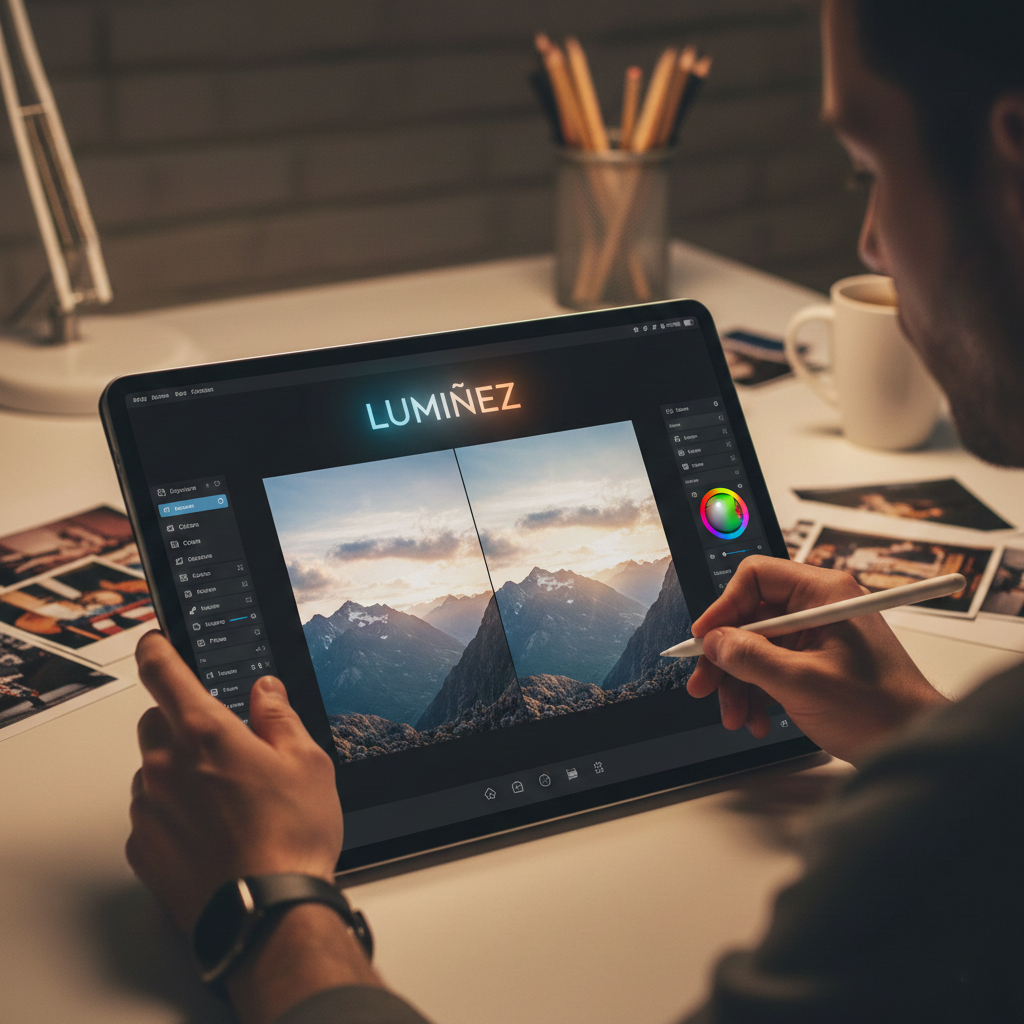
**GIMP and Darktable give pro-level tools for free. They need more time to learn but lack some ease-of-use features.**
Free software gets ignored unfairly. I made this mistake for years. Then I met photographers in Southeast Asia making great work with only free tools.
GIMP is the most powerful free option. The learning curve scares people used to Adobe. Those who stick with it find tools that rival Photoshop. Layers, masking, and color fixes work great once you learn the flow.
The GIMP community built add-ons for nearly every need. The system keeps growing as developers add improvements.
Darktable handles RAW photos much like Lightroom. Color tools use a system that seems odd at first. Learning it shows powerful features not found in many paid options.
RawTherapee handles files with great quality. Food photographer Elena Vasquez uses it for her shoots. The software handles lots of photos without crashing like paid options did.
Photopea is a browser-based editor worth noting. You can use Photoshop-like tools from any computer. Students and casual users find this good enough.
The honest limit is time. Paid software is polished with lots of help. Free options need more digging. Whether that trade works depends on your budget and how you like to learn.
How AI Changes Photo Editing in 2026
**AI now handles boring tasks like selections, masking, and basic color fixes. Skilled editors keep control over final results.**
AI creates debate in photo groups. Some love it fully. Others resist any computer help. Both views miss key points.
I tested Adobe Firefly a lot. The fill tools amazed me. Removing things that took thirty minutes now takes thirty seconds. That changed my pricing for real estate photos.
Luminar Neo built their product around AI help. Face fixes find faces on their own. Landscape photos gain from haze removal and detail boosts. These work really well for those who want quick fixes.
But AI fails in clear ways. Complex hair selections still need hand fixes. Color ideas often make generic results. Creative choices need human judgment that programs can’t copy.
Photographers doing well treat AI as a helper, not a replacement. They automate repeat tasks while keeping creative control. This gets speed without losing style.
Skylum and Topaz Labs lead the AI-first group. Both fight hard on features. Real tests show steady quality matters more than flashy demos.
What Computer Setup Works for Photo Editing
**Photo editing software works best with at least 16GB RAM, a graphics card, and SSD storage for fast file access.**
Software talks often skip the computer part. I learned this the hard way when a cheap laptop led to crashes during client work.
RAM decides how many changes you can stack before things slow. Lightroom says 8GB minimum but struggles at that level. Photoshop layers eat memory fast. Get 32GB if you work with layers often.
Graphics cards changed editing over the past five years. NVIDIA and AMD both speed up major apps. Live previews while moving sliders make choices faster. Without this, the same changes cause lag.
Storage speed affects upload and download times. Hard drives feel okay until you try SSD speed. A 500-photo import that took 17 minutes on my old setup now takes under 3 minutes.
Display quality matters for color work. IPS screens give steady viewing angles. The $400-$600 cost for a good monitor stops color mistakes that hurt client trust.
For mobile editing, think about iPad Pro with Lightroom or Affinity Photo. Apple chips handle most tasks smoothly. Touch screens work well for masking and spot removal.
Why Non-Destructive Editing Matters
**Non-destructive editing keeps original image data while saving changes separately. This allows endless changes without losing quality.**
Early in my career, I edited photos directly. Saving changes onto original files seemed fast. Then clients asked for changes and I found my originals were gone.
Non-destructive work fixes this. Lightroom stores changes in databases or side files. Your actual image stays safe no matter how much you edit.
This lets you try things without fear. Try wild color effects knowing you can reset anytime. Stack layers in Photoshop and move them freely. Make many versions from one source file.
Pro work needs this thinking. When a client asks for changes six months later, you can open projects and make exact fixes. Without this, you start over.
Capture One and Lightroom both work this way by default. Photoshop needs you to manage layers to keep options. GIMP users must save originals through good file habits.
Storage needs surprise some. Keeping full originals plus data needs more space. But this safety is worth it for anyone making money from photos.
How Batch Tools Save Time
**Batch tools apply the same changes to many images at once. This cuts repeat work from hours to minutes.**
Wedding photographers handle 800 to 2,000 images per event. Product photographers face similar loads. Editing each image one by one would make these jobs impossible.
Lightroom presets changed my work for good. I made recipes matching certain lights and camera settings. Using a preset on fifty images takes seconds. Fine-tuning after takes maybe ten minutes total.
The sync feature works just as well. Edit one sample image. Copy those changes to all similar photos. Shortcuts make this nearly instant with practice.
Photoshop Actions automate multi-step work. Record steps once and replay across folders. Adding watermarks, resizing, and format changes happen with no hand work.
I built an action that resizes, adds info, sharpens, and exports for web. Running this on 200 product photos takes under five minutes. By hand, same task takes two hours.
What Makes Capture One Popular for Studios
**Capture One gives better tethered shooting, precise colors, and pro layers that meet high-end studio needs.**
Adobe leads market share. Capture One leads the premium studio space. Knowing why shows key insights.
Tethered shooting links cameras to software during shoots. Images show on screen moments after capture. Photographers and clients see shots in real-time. This defines studio work.
Capture One handles tethering better than others. Steady links stop drops that break sessions. Preview quality shows what finals will look like. These perks justify the price for pros who need this.
Phase One, the company behind Capture One, focuses hard on colors. Their camera skills shaped the software. Skin tones look better than Adobe for many photographers.
Project-based setup differs from Lightroom. Each project stays separate. This suits those who send work to clients then file it away.
The learning curve keeps casual users away. Hobbyists rarely need features worth the $299 yearly cost. But for high-volume work, savings come through time saved.
How Beginners Should Start Learning
**Beginners make fastest progress by learning basics like exposure and white balance before trying fancy creative tricks.**
New photographers often jump into hard tutorials. They try fancy color work before knowing basic fixes. This creates bad habits.
Start with brightness tools. Learn how highlights, shadows, whites, and blacks work. Practice saving detail from too-bright or too-dark images. These skills form the base for everything else.
White balance needs early focus too. Temperature and tint controls make images look natural or styled on purpose. Wrong white balance makes good photos look bad.
YouTube gives free training for every platform. Channels like Unmesh Dinda and Mango Street offer pro teaching free. Watch with software open. Pause often and copy what you see.
Planned learning beats random videos. LinkedIn Learning, Skillshare, and CreativeLive offer step-by-step courses. Costs pay back through faster skill gains.
Practice on personal projects before taking client work. Edit family events or travel photos. Build your style without pressure. Create a portfolio showing steady quality.
Get feedback from experienced editors. Reddit gives free feedback. Local camera clubs offer in-person help. Good criticism finds blind spots you can’t see.
Which Software Works Best for Each Photo Type
**Portrait, landscape, product, and event photos each benefit from special features made for their needs.**
Portrait photographers need skin tools most. Healing brushes and local tweaks matter. Photoshop shines with portrait tools like Liquify. The Portraiture add-on makes skin smooth fast.
Landscape photos need wide range and color precision. Lightroom handles most needs. Aurora HDR tackles high-contrast scenes. Photoshop lets you blend impossible scenes.
Product photos need exact colors above all. Clients expect images matching real items. Capture One fills this need well. Preview tools stop print surprises.
Event work puts speed over perfection. Bulk editing with presets makes business work. Lightroom Classic leads through fast tools.
Wildlife photos need heavy cropping and noise fixes. Cameras use high settings to freeze action. DxO PhotoLab gives top noise cuts through DeepPRIME. The $139 price fits serious fans.
Real estate photos combine shots into one image. Bracketed shots show detail in every room. PhotoMatix Pro does this best.
Common Mistakes That Hurt Results
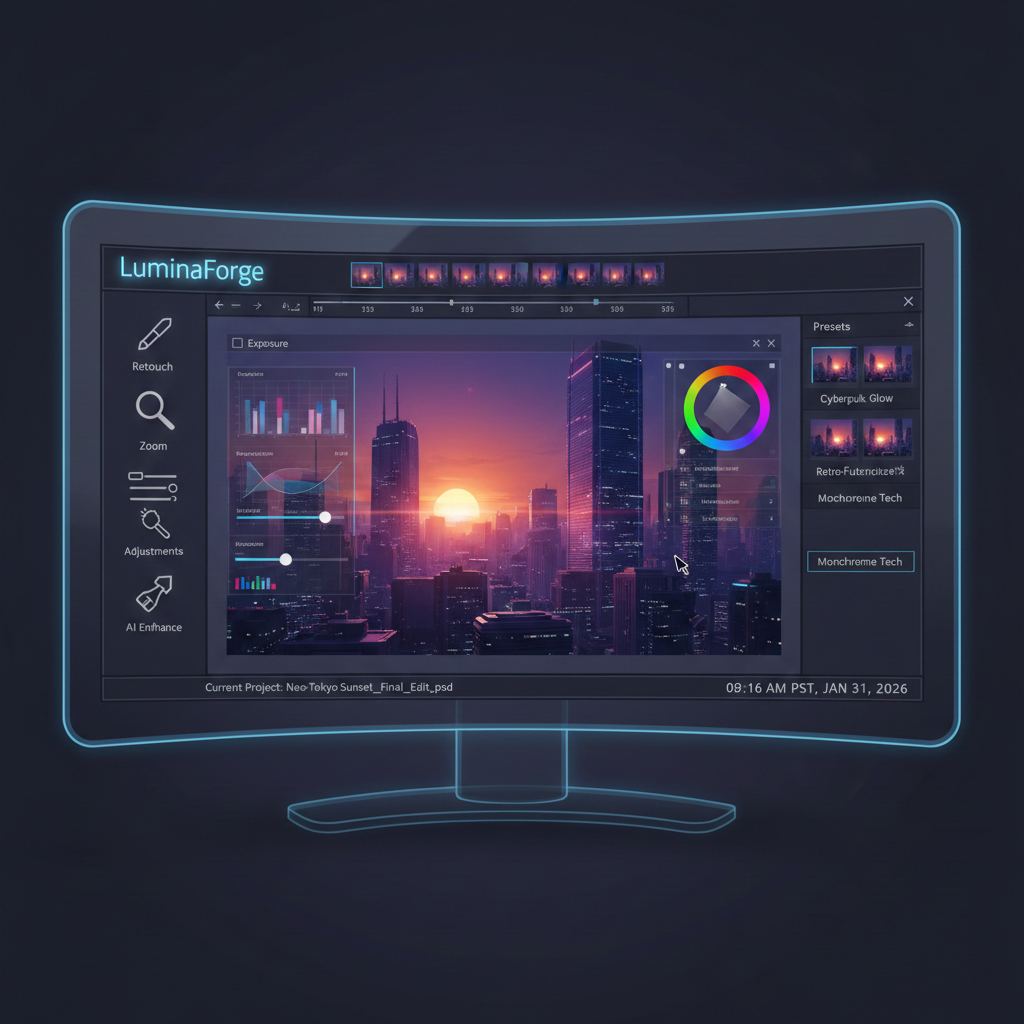
**Over-editing, uneven colors, and skipping monitor setup are mistakes that lower quality and hurt your image.**
I ruined many images before seeing these patterns. The mistakes seem obvious now. Living through them taught lessons warnings never could.
Over-editing is most common. Beginners push sliders too far. Results look fake. Clients rarely want obvious editing in final images.
The fix is restraint. Make changes then step away for fifteen minutes. Come back with fresh eyes. Often the original looks better.
Uneven colors across sets hurts trust. Images shot the same way should match. Using presets stops this. Check by eye before sending.
Monitor setup seems boring until it causes issues. Without it, your screen lies about colors. Images that look good while editing look wrong elsewhere. Clients on good monitors see flaws you can’t.
DataColor Spyder and Calibrite tools help at $150-$300. This stops costly reprints. Calibrate monthly for steady results.
Saving over originals wastes time on changes. Keeping layer options too long removes flexibility. Build non-destructive habits from the start.
Cloud Editing vs Desktop Software
**Cloud tools offer access from anywhere and auto-sync. But they lose power and offline use compared to desktop apps.**
Adobe Lightroom (cloud version) differs a lot from Lightroom Classic. The naming confuses everyone. Knowing the difference helps you choose.
Cloud Lightroom stores full images online. Access from any device smoothly. Edits sync across devices. Mobile editing becomes useful.
The downsides are control and power. Internet needs limit offline work. Big libraries eat pricey cloud space. Power depends on Adobe servers, not your computer.
Desktop apps give max power for heavy work. Complex blends and batch jobs finish faster locally. Files follow your setup, not platform rules.
I use both. Cloud Lightroom handles mobile work and quick edits on trips. Desktop Classic manages the main files and heavy work. Sync between them makes this work.
Canva now has good photo tools. The browser setup suits social content. Filters and templates speed output. Serious photographers hit limits fast, but casual users do fine.
Pixlr offers browser editing with layers. The free tier handles basics. Premium costs $4.90 monthly. Speed varies with internet quality.
Future Changes Coming to Photo Editing
**AI growth, phone-style processing, and real-time teamwork will change editing over the next three to five years.**
Predicting tech feels risky. I missed AI in my 2019 guesses. Admitting I don’t know actually builds trust.
AI clearly leads current work. Adobe Firefly and Midjourney point to futures where editing and creating merge. Photographers may talk to AI helpers while making hand tweaks.
Phone processing will reach desktop software. Combining many shots at the pixel level happens now. RAW work may become one step among many.
Real-time teamwork sees little use now. Lightroom allows feedback sharing. Actual same-time editing stays rare. Remote teams would gain hugely.
AR preview showing edits in real settings seems sure. Product photographers could see items in places before finishing. Architects could place materials in real rooms.
Privacy may drive changes. Local work without cloud appeals to some pros. On-device AI removes the need to upload private images.
Those who adapt first to real gains benefit most. Those chasing every trend waste time. Balance between new and proven works best.
FAQS
What is the best free photo editing software for beginners?
GIMP gives the most complete free option with pro tools and community support. It looks different from paid options, but tutorials help.
How much does pro photo editing software cost yearly?
Adobe costs $119.88 yearly for Lightroom and Photoshop. Affinity Photo costs $69.99 once with no monthly fees.
Can phone apps replace desktop
Phone apps work for casual needs but lack the controls, colors, and batch power needed for pro work and big prints.
Which software do pros use most?
Surveys show Adobe Lightroom and Photoshop lead with 75% share among working pros. Capture One follows in studios.
How long does learning take?
Basic skill takes 20-40 hours. Pro level usually takes 6-12 months of regular work and planned learning.
Does photo editing need a strong computer?
Yes. Get at least 16GB RAM, a graphics card, and SSD storage. Better specs give smoother work with big files.
What’s the difference between Lightroom and Lightroom Classic?
Lightroom uses cloud and syncs across devices. Classic stores files locally with more features but less mobile access.
Should I learn Photoshop or Lightroom first?
Lightroom first. It handles full workflows from import to export. Photoshop adds blending and detail work after core skills form.
Can I use software on many computers?
Adobe allows two computers but only one active at once. One-time buys vary by company.
What file types work best?
RAW keeps max quality and editing room. DNG gives open RAW support. TIFF works for layered files.
How often should I set up my monitor?
Monthly keeps color accuracy. Displays shift over time from aging and room changes.
Are subscriptions worth it?
For active pros editing weekly, costs break down small per session while keeping current features and safety updates.
Do skills transfer between programs?
Core ideas like exposure, colors, masking, and layers work across all software. Interfaces differ but knowledge stays useful.
How do I stop software from slowing my computer?
Close other apps when editing. Keep enough free space. Use smaller preview files for sorting. Add RAM if slowdowns persist.
Can software fix bad exposures?
Modern tools save lots of detail from dark or bright areas. About 2-3 stops of fix works well. Very bad shots can’t be saved by any software.
conclusion
The software choice reflects your creative goals and real limits. No one right answer exists despite what ads claim.
I spent too many years hunting for the perfect tool. The truth that changed my career is simpler. Knowing one good program well beats knowing many poorly.
Pick something that fits your work today. Spend time building real skill. Only switch when you hit real limits, not worries about what might be.
Photographers making great work focus less on tools and more on vision. Software helps you create. It never replaces your ideas.
Want to explore more? Head over to Magzines